Samsung Galaxy Z vs POCO X Series
Updated: July 13, 2026Comparing the Samsung Galaxy Z to the POCO X Series is fundamentally a form-factor question. Foldables carry a steep price premium over even the best traditional flagships — this comparison only makes sense if you are genuinely drawn to the large folding-screen experience, not just looking for a better phone.
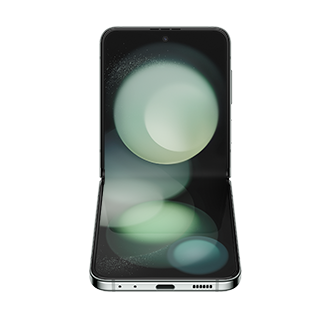
Imminent new model release
Early in release cycle
Potential discounts around Amazon Prime Day
Potential discounts during Amazon Prime Day
- Next-Gen Design: Flip 7's sleekness and Fold 7's expansive display redefine smartphone form.
- Style & Productivity: Flip 7 for elegance, Fold 7 for multitasking prowess.
- Dynamic Flexibility: Embrace versatile mobile experiences with innovative folding tech.
- Powerful Mid-Range Performance: Equipped with strong Dimensity or Snapdragon processors, ensuring smooth performance for daily tasks and gaming.
- Vibrant and Fluid Displays: Large, high refresh rate AMOLED displays provide an excellent visual experience for content consumption and interaction.
- Versatile Camera Setup: Capable multi-camera systems, often with OIS, deliver good photo and video quality in various conditions.
- Long Battery Life: Generous battery capacities with fast charging support to keep you connected throughout the day.
- Aggressive Pricing: Offers a compelling set of features and performance that often punch above their price segment.
| Samsung Galaxy Z | POCO X Series | |
|---|---|---|
| Price | ||
| Starting Price | $1,599 | ★ $299 |
| Buy Timing | ||
| Released | Jul 25, 2025 | Mar 17, 2026 |
| Cycle | Bad | Good |
| Deals | Good | Good |
| Key Specs | ||
| Weight | 215 g | ★ 201 g |
| OS Updates | ★ 7 yrs | 4 yrs |
| Fast Charging | 25 W | ★ 100 W |
Timing: When to Buy
From a timing standpoint, the POCO X Series is earlier in its release cycle, giving you a longer window before you need to think about a successor. The Samsung Galaxy Z is deeper into its cycle, so a new model could be closer than you think.
Deals & Pricing
Pricing is favorable for both series at the moment, so deal-hunters have options. Compare current prices before deciding — the gap may be smaller than you expect.
Who Should Choose Each
Choose Samsung Galaxy Z if...
The Samsung Galaxy Z series is for users who want to genuinely reimagine what a smartphone can be. The Z Flip7 appeals to style-conscious users who want a compact, pocket-friendly phone that turns heads, while the Z Fold7 is built for productivity powerhouses who want a tablet in their pocket with S Pen support and Samsung DeX. Both are for early adopters who are comfortable with premium pricing and want to be at the leading edge of mobile technology.
Choose POCO X Series if...
The Poco X Series is for the savvy user who prioritizes performance and display quality above all else. It's the ideal choice for mobile gamers, content streamers, and anyone who wants a phone that feels incredibly fast and responsive without paying a flagship price. If you want the most power-per-dollar and can accept a camera that's good but not class-leading, this is the series for you.
Our Take
On pure timing alone, the POCO X Series is the stronger buy right now. That said, the right choice ultimately depends on your ecosystem, budget, and how you use your phone day-to-day.
Not sure how we calculate these ratings? Read our methodology →