Google Pixel A vs Samsung Galaxy Z
Updated: July 9, 2026Comparing the Samsung Galaxy Z to the Google Pixel A is fundamentally a form-factor question. Foldables carry a steep price premium over even the best traditional flagships — this comparison only makes sense if you are genuinely drawn to the large folding-screen experience, not just looking for a better phone.
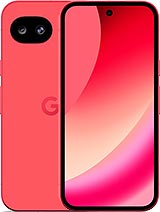
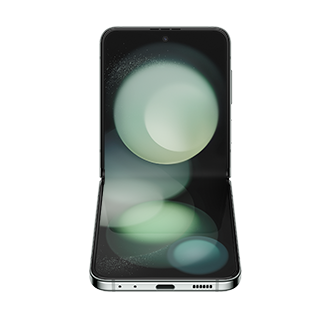
Early in release cycle
Imminent new model release
Potential discounts around Amazon Prime Day
Potential discounts around Amazon Prime Day
- Flagship Power, Affordable Price: Powered by Google's Tensor G4 chip with 8GB RAM for fast, smooth performance every day.
- Vivid, Smooth Display: 6.3-inch OLED display with 120Hz refresh rate and up to 3,000 nits peak brightness for stunning visuals indoors and out.
- AI-Enhanced Photography: 48MP main and 13MP ultrawide cameras deliver incredible photos, backed by Google's famous AI photo magic.
- All-Day, Ultra-Long Battery: 5,100mAh battery offering over 30 hours of usage and up to 100 hours with Extreme Battery Saver mode.
- Built Tough and Secure: IP68 water and dust resistance, Gorilla Glass, and 7 years of software updates to keep you protected.
- Next-Gen Design: Flip 7's sleekness and Fold 7's expansive display redefine smartphone form.
- Style & Productivity: Flip 7 for elegance, Fold 7 for multitasking prowess.
- Dynamic Flexibility: Embrace versatile mobile experiences with innovative folding tech.
| Google Pixel A | Samsung Galaxy Z | |
|---|---|---|
| Price | ||
| Starting Price | ★ $499 | $1,599 |
| Buy Timing | ||
| Released | Mar 5, 2026 | Jul 25, 2025 |
| Cycle | Good | Bad |
| Deals | Good | Good |
| Key Specs | ||
| Weight | ★ 183 g | 215 g |
| OS Updates | 7 yrs | 7 yrs |
| Fast Charging | ★ 30 W | 25 W |
Timing: When to Buy
From a timing standpoint, the Google Pixel A is earlier in its release cycle, meaning you get more runway before the next generation arrives. The Samsung Galaxy Z is further into its cycle — a new model may arrive sooner than expected.
Deals & Pricing
Pricing is favorable for both series at the moment, so deal-hunters have options. Compare current prices before deciding — the gap may be smaller than you expect.
Who Should Choose Each
Choose Google Pixel A if...
The Google Pixel A series is for the value-seeking user who wants a genuinely great Android experience without paying flagship prices. It is the ideal choice for students, everyday users, and anyone switching from an older Android or iPhone who wants a clean, intuitive phone with an outstanding camera and a massive battery. If you want the full Google experience — including AI tools, guaranteed updates, and exceptional computational photography — but cannot justify Pro pricing, the Pixel A is your answer.
Choose Samsung Galaxy Z if...
The Samsung Galaxy Z series is for users who want to genuinely reimagine what a smartphone can be. The Z Flip7 appeals to style-conscious users who want a compact, pocket-friendly phone that turns heads, while the Z Fold7 is built for productivity powerhouses who want a tablet in their pocket with S Pen support and Samsung DeX. Both are for early adopters who are comfortable with premium pricing and want to be at the leading edge of mobile technology.
Our Take
On pure timing alone, the Google Pixel A is the stronger buy right now. That said, the right choice ultimately depends on your ecosystem, budget, and how you use your phone day-to-day.
Not sure how we calculate these ratings? Read our methodology →