Samsung Galaxy Z vs Google Pixel
Updated: May 17, 2026Comparing the Samsung Galaxy Z to the Google Pixel is fundamentally a form-factor question. Foldables carry a steep price premium over even the best traditional flagships — this comparison only makes sense if you are genuinely drawn to the large folding-screen experience, not just looking for a better phone.
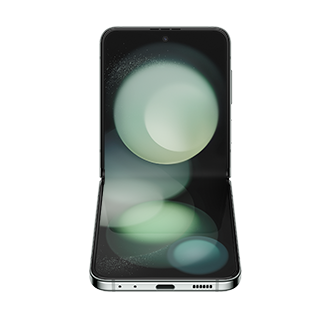

Imminent new model release
Imminent new model release
Great time to buy - new model coming soon!
Great time to buy - new model coming soon!
- Next-Gen Design: Flip 7's sleekness and Fold 7's expansive display redefine smartphone form.
- Style & Productivity: Flip 7 for elegance, Fold 7 for multitasking prowess.
- Dynamic Flexibility: Embrace versatile mobile experiences with innovative folding tech.
- Pure Android: Simplicity and efficiency with a clean, uncluttered interface.
- AI-Driven Innovation: Advanced computational photography and real-time translation.
- Smart Power: Adaptive battery technology for smarter, longer use.
| Samsung Galaxy Z | Google Pixel | |
|---|---|---|
| Price | ||
| Starting Price | $1,599 | ★ $799 |
| Buy Timing | ||
| Released | Jul 25, 2025 | Aug 28, 2025 |
| Cycle | Bad | Bad |
| Deals | Good | Good |
| Key Specs | ||
| Weight | 215 g | ★ 204 g |
| OS Updates | 7 yrs | 7 yrs |
| Fast Charging | 25 W | ★ 30 W |
Timing: When to Buy
Both series are late in their current cycle. If you can wait, keeping an eye on announcement news for both could save you from buying right before a refresh. If you need a phone now, look for a deal on whichever fits your needs.
Deals & Pricing
Pricing is favorable for both series at the moment, so deal-hunters have options. Compare current prices before deciding — the gap may be smaller than you expect.
Who Should Choose Each
Choose Samsung Galaxy Z if...
The Samsung Galaxy Z series is for users who want to genuinely reimagine what a smartphone can be. The Z Flip7 appeals to style-conscious users who want a compact, pocket-friendly phone that turns heads, while the Z Fold7 is built for productivity powerhouses who want a tablet in their pocket with S Pen support and Samsung DeX. Both are for early adopters who are comfortable with premium pricing and want to be at the leading edge of mobile technology.
Choose Google Pixel if...
The Google Pixel 10 is for the everyday user who wants a genuinely smart, effortless smartphone experience without paying flagship prices. It is ideal for people who want excellent photos with zero editing, guaranteed fast software updates directly from Google, and AI features that actually improve their daily life — from call screening to live translation. If you love clean Android and appreciate a phone that simply works brilliantly, the Pixel is for you.
Our Take
Both series are evenly matched on timing right now. Your decision should come down to ecosystem preference, software update commitments, and which feature set matches your daily habits.
Not sure how we calculate these ratings? Read our methodology →