Samsung Galaxy Z vs Nothing Phone
Updated: July 13, 2026Comparing the Samsung Galaxy Z to the Nothing Phone is fundamentally a form-factor question. Foldables carry a steep price premium over even the best traditional flagships — this comparison only makes sense if you are genuinely drawn to the large folding-screen experience, not just looking for a better phone.
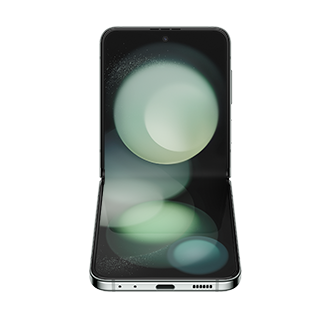

Imminent new model release
Early in release cycle
Potential discounts around Amazon Prime Day
Potential discounts around Amazon Prime Day
- Next-Gen Design: Flip 7's sleekness and Fold 7's expansive display redefine smartphone form.
- Style & Productivity: Flip 7 for elegance, Fold 7 for multitasking prowess.
- Dynamic Flexibility: Embrace versatile mobile experiences with innovative folding tech.
- Iconic Design & Glyph Interface: Transparent back with customizable LED Glyph lights for unique notifications and aesthetics.
- Optimized Nothing OS: A clean, bloatware-free Android experience with intuitive features and deep integrations.
- Capable Performance: Powered by Snapdragon 7s Gen 3, offering smooth daily usage and gaming.
- Advanced Camera Systems: 50MP main cameras with OIS, with the Pro model featuring an enhanced telephoto lens and 50MP selfie camera.
- All-Day Battery & Fast Charging: 5000mAh battery with 50W fast charging for extended usage.
| Samsung Galaxy Z | Nothing Phone | |
|---|---|---|
| Price | ||
| Starting Price | $1,599 | ★ $799 |
| Buy Timing | ||
| Released | Jul 25, 2025 | Mar 27, 2026 |
| Cycle | Bad | Good |
| Deals | Good | Good |
| Key Specs | ||
| Weight | ★ 215 g | 218 g |
| OS Updates | ★ 7 yrs | 5 yrs |
| Fast Charging | 25 W | ★ 65 W |
Timing: When to Buy
From a timing standpoint, the Nothing Phone is earlier in its release cycle, giving you a longer window before you need to think about a successor. The Samsung Galaxy Z is deeper into its cycle, so a new model could be closer than you think.
Deals & Pricing
Pricing is favorable for both series at the moment, so deal-hunters have options. Compare current prices before deciding — the gap may be smaller than you expect.
Who Should Choose Each
Choose Samsung Galaxy Z if...
The Samsung Galaxy Z series is for users who want to genuinely reimagine what a smartphone can be. The Z Flip7 appeals to style-conscious users who want a compact, pocket-friendly phone that turns heads, while the Z Fold7 is built for productivity powerhouses who want a tablet in their pocket with S Pen support and Samsung DeX. Both are for early adopters who are comfortable with premium pricing and want to be at the leading edge of mobile technology.
Choose Nothing Phone if...
The Nothing Phone series is for the user who is tired of boring smartphone designs and wants something that genuinely stands out. It is perfect for design-conscious buyers, tech enthusiasts, and anyone who values a clean, bloatware-free Android experience similar to stock Android but with unique personality. If you want a phone that sparks conversation, delivers reliable daily performance, and comes from a brand with a bold vision for the future of tech, Nothing is for you.
Our Take
On pure timing alone, the Nothing Phone is the stronger buy right now. That said, the right choice ultimately depends on your ecosystem, budget, and how you use your phone day-to-day.
Not sure how we calculate these ratings? Read our methodology →