Samsung Galaxy S vs Google Pixel
Updated: July 9, 2026Both the Samsung Galaxy S and Google Pixel are premium Android flagships — neither is a wrong choice at this price tier. What separates them is philosophy: camera tuning approach, software longevity commitments, and which manufacturer's vision of Android you prefer living with.
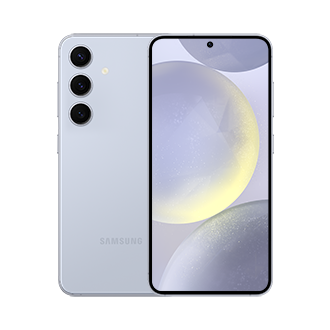

Early in release cycle
Imminent new model release
Potential discounts around Amazon Prime Day
Potential discounts around Amazon Prime Day
- Next-Generation Performance: Powered by the Snapdragon 8 Elite Gen 5 for Galaxy, with ultra-smooth Dynamic AMOLED displays and deeper Galaxy AI integration.
- Tailored for You: S26 for compact flagship performance, S26+ for big-screen battery life, S26 Ultra for the ultimate camera and productivity setup.
- Pro-Grade Photography: 50MP Triple Setup (S26/S26+), 200MP Quad camera with Periscope Zoom (S26 Ultra) — advanced AI imaging across the range.
- Pure Android: Simplicity and efficiency with a clean, uncluttered interface.
- AI-Driven Innovation: Advanced computational photography and real-time translation.
- Smart Power: Adaptive battery technology for smarter, longer use.
| Samsung Galaxy S | Google Pixel | |
|---|---|---|
| Price | ||
| Starting Price | $899 | ★ $799 |
| Buy Timing | ||
| Released | Mar 11, 2026 | Aug 28, 2025 |
| Cycle | Good | Bad |
| Deals | Good | Good |
| Key Specs | ||
| Weight | ★ 167 g | 204 g |
| OS Updates | 7 yrs | 7 yrs |
| Fast Charging | 25 W | ★ 30 W |
Timing: When to Buy
From a timing standpoint, the Samsung Galaxy S is earlier in its release cycle, meaning you get more runway before the next generation arrives. The Google Pixel is further into its cycle — a new model may arrive sooner than expected.
Deals & Pricing
Pricing is favorable for both series at the moment, so deal-hunters have options. Compare current prices before deciding — the gap may be smaller than you expect.
Who Should Choose Each
Choose Samsung Galaxy S if...
The Samsung Galaxy S series is for the Android user who wants a truly premium, no-compromise experience backed by the world's largest smartphone brand. It's ideal for professionals, photographers, and power users who want the best display, camera versatility, and the longest software support available on Android — 7 years of updates. If you're deeply invested in the Samsung ecosystem or want the S Pen productivity tool, the Galaxy S series is the definitive choice.
Choose Google Pixel if...
The Google Pixel 10 is for the everyday user who wants a genuinely smart, effortless smartphone experience without paying flagship prices. It is ideal for people who want excellent photos with zero editing, guaranteed fast software updates directly from Google, and AI features that actually improve their daily life — from call screening to live translation. If you love clean Android and appreciate a phone that simply works brilliantly, the Pixel is for you.
Our Take
On pure timing alone, the Samsung Galaxy S is the stronger buy right now. That said, the right choice ultimately depends on your ecosystem, budget, and how you use your phone day-to-day.
Not sure how we calculate these ratings? Read our methodology →