Samsung Galaxy S vs Nothing Phone
Updated: July 9, 2026Comparing the Samsung Galaxy S to the Nothing Phone means crossing market segments: one is a premium buy, the other a value-focused option. The question is less about which is "better" and more about whether the flagship experience is worth the extra spend for your actual use case.
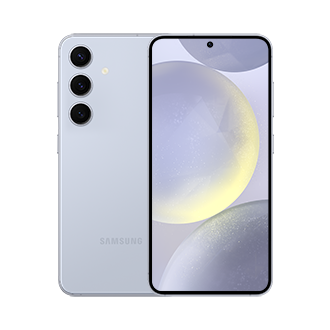

Early in release cycle
Early in release cycle
Potential discounts around Amazon Prime Day
Potential discounts around Amazon Prime Day
- Next-Generation Performance: Powered by the Snapdragon 8 Elite Gen 5 for Galaxy, with ultra-smooth Dynamic AMOLED displays and deeper Galaxy AI integration.
- Tailored for You: S26 for compact flagship performance, S26+ for big-screen battery life, S26 Ultra for the ultimate camera and productivity setup.
- Pro-Grade Photography: 50MP Triple Setup (S26/S26+), 200MP Quad camera with Periscope Zoom (S26 Ultra) — advanced AI imaging across the range.
- Iconic Design & Glyph Interface: Transparent back with customizable LED Glyph lights for unique notifications and aesthetics.
- Optimized Nothing OS: A clean, bloatware-free Android experience with intuitive features and deep integrations.
- Capable Performance: Powered by Snapdragon 7s Gen 3, offering smooth daily usage and gaming.
- Advanced Camera Systems: 50MP main cameras with OIS, with the Pro model featuring an enhanced telephoto lens and 50MP selfie camera.
- All-Day Battery & Fast Charging: 5000mAh battery with 50W fast charging for extended usage.
| Samsung Galaxy S | Nothing Phone | |
|---|---|---|
| Price | ||
| Starting Price | $899 | ★ $799 |
| Buy Timing | ||
| Released | Mar 11, 2026 | Mar 27, 2026 |
| Cycle | Good | Good |
| Deals | Good | Good |
| Key Specs | ||
| Weight | ★ 167 g | 218 g |
| OS Updates | ★ 7 yrs | 5 yrs |
| Fast Charging | 25 W | ★ 65 W |
Timing: When to Buy
Both series are in a good part of their release cycles right now. Neither is close to being superseded, so you can buy with confidence on timing grounds — your decision can focus purely on features and price.
Deals & Pricing
Pricing is favorable for both series at the moment, so deal-hunters have options. Compare current prices before deciding — the gap may be smaller than you expect.
Who Should Choose Each
Choose Samsung Galaxy S if...
The Samsung Galaxy S series is for the Android user who wants a truly premium, no-compromise experience backed by the world's largest smartphone brand. It's ideal for professionals, photographers, and power users who want the best display, camera versatility, and the longest software support available on Android — 7 years of updates. If you're deeply invested in the Samsung ecosystem or want the S Pen productivity tool, the Galaxy S series is the definitive choice.
Choose Nothing Phone if...
The Nothing Phone series is for the user who is tired of boring smartphone designs and wants something that genuinely stands out. It is perfect for design-conscious buyers, tech enthusiasts, and anyone who values a clean, bloatware-free Android experience similar to stock Android but with unique personality. If you want a phone that sparks conversation, delivers reliable daily performance, and comes from a brand with a bold vision for the future of tech, Nothing is for you.
Our Take
Both series are evenly matched on timing right now. Your decision should come down to ecosystem preference, software update commitments, and which feature set matches your daily habits.
Not sure how we calculate these ratings? Read our methodology →