Samsung Galaxy A vs Oppo Reno
Updated: July 13, 2026The Samsung Galaxy A and Oppo Reno compete in the same mid-range bracket, which makes this a genuinely close call. At similar price points, the differences come down to software update commitments, camera output, and which brand's Android experience resonates with you.
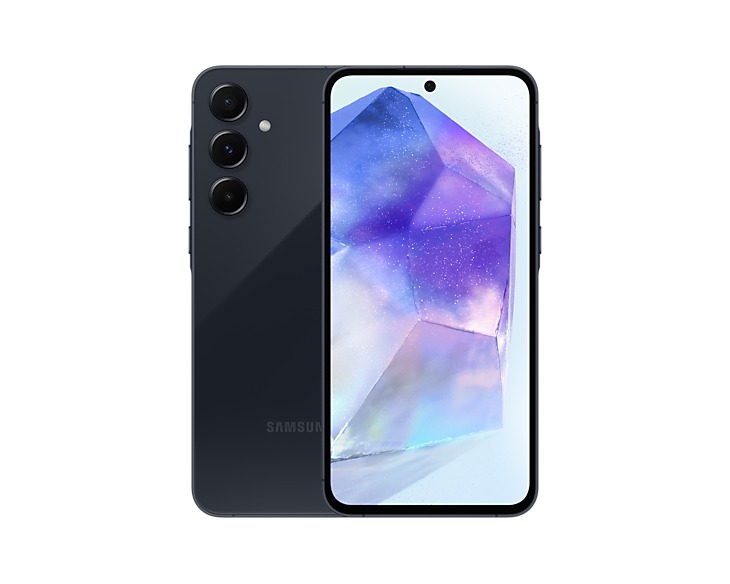

Early in release cycle
Imminent new model release
Potential discounts around Amazon Prime Day
Potential Amazon Prime Day discounts.
- Power Meets Efficiency: Next-gen processors ensure smooth performance for work and play.
- Brilliant Displays: Super AMOLED screens with 120Hz refresh rates for ultra-smooth visuals.
- Capture Every Moment: AI-enhanced cameras with up to 50MP for stunning photos and videos.
- Built to Last: IP67 water resistance, Gorilla Glass Victus+, and a massive 5,000mAh battery.
- Stunning Design: Sleek, premium aesthetics with eye-catching finishes and slim profiles.
- Portrait Photography Excellence: Advanced AI portrait modes and camera systems optimized for people photography.
- SuperVOOC Fast Charging: 80W fast charging gets you powered up in minutes, not hours.
| Samsung Galaxy A | Oppo Reno | |
|---|---|---|
| Price | ||
| Starting Price | ★ $549 | $699 |
| Buy Timing | ||
| Released | Apr 9, 2026 | Jan 2, 2026 |
| Cycle | Good | Bad |
| Deals | Good | Good |
| Key Specs | ||
| Weight | ★ 179 g | 205 g |
| OS Updates | ★ 6 yrs | 4 yrs |
| Fast Charging | 45 W | ★ 80 W |
Timing: When to Buy
From a timing standpoint, the Samsung Galaxy A is earlier in its release cycle, meaning you get more runway before the next generation arrives. The Oppo Reno is further into its cycle — a new model may arrive sooner than expected.
Deals & Pricing
Pricing is favorable for both series at the moment, so deal-hunters have options. Compare current prices before deciding — the gap may be smaller than you expect.
Who Should Choose Each
Choose Samsung Galaxy A if...
The Samsung Galaxy A Series is for the practical user who wants a reliable, feature-rich smartphone experience from a trusted brand without paying flagship prices. It's perfect for students, parents, or anyone who values a great screen, a long-lasting battery, and a capable camera for daily use. If you want a phone that 'just works' and gives you access to the Samsung ecosystem, the A Series is a fantastic choice.
Choose Oppo Reno if...
The Oppo Reno series is for the style-conscious user who wants a phone that looks as good as it performs. It's perfect for social media enthusiasts, portrait photographers, and anyone who values design and camera quality over raw gaming performance. If you want a phone that turns heads and takes great selfies without breaking the bank, Reno is your choice.
Our Take
On pure timing alone, the Samsung Galaxy A is the stronger buy right now. That said, the right choice ultimately depends on your ecosystem, budget, and how you use your phone day-to-day.
Not sure how we calculate these ratings? Read our methodology →