Samsung Galaxy A vs Google Pixel Pro
Updated: July 9, 2026Comparing the Google Pixel Pro to the Samsung Galaxy A means crossing market segments: one is a premium buy, the other a value-focused option. The question is less about which is "better" and more about whether the flagship experience is worth the extra spend for your actual use case.
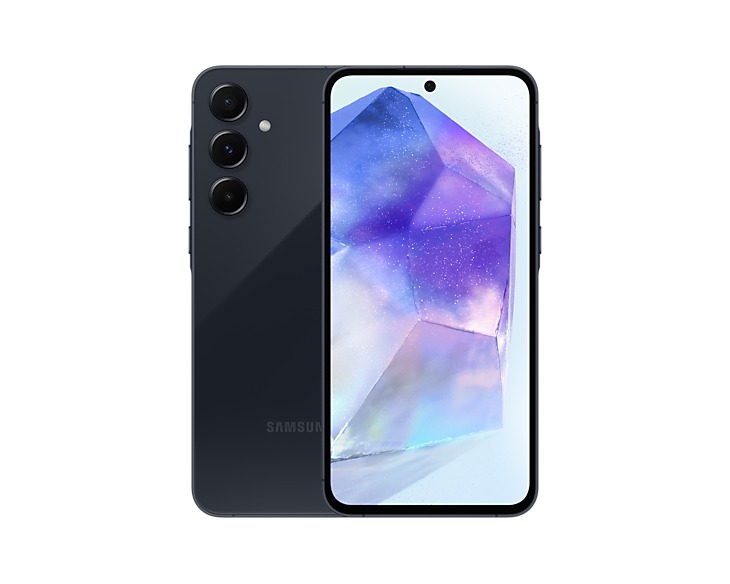

Early in release cycle
Imminent new model release
Potential discounts around Amazon Prime Day
Potential discounts around Amazon Prime Day
- Power Meets Efficiency: Next-gen processors ensure smooth performance for work and play.
- Brilliant Displays: Super AMOLED screens with 120Hz refresh rates for ultra-smooth visuals.
- Capture Every Moment: AI-enhanced cameras with up to 50MP for stunning photos and videos.
- Built to Last: IP67 water resistance, Gorilla Glass Victus+, and a massive 5,000mAh battery.
- Pinnacle of Innovation: Cutting-edge tech meets sophisticated design for the tech-savvy.
- Pro Photography: Capture the world in professional-grade detail.
- Google Ecosystem Harmony: Seamless integration for a smarter, more connected experience.
| Samsung Galaxy A | Google Pixel Pro | |
|---|---|---|
| Price | ||
| Starting Price | ★ $549 | $999 |
| Buy Timing | ||
| Released | Apr 9, 2026 | Aug 28, 2025 |
| Cycle | Good | Bad |
| Deals | Good | Good |
| Key Specs | ||
| Weight | ★ 179 g | 207 g |
| OS Updates | 6 yrs | ★ 7 yrs |
| Fast Charging | ★ 45 W | 30 W |
Timing: When to Buy
From a timing standpoint, the Samsung Galaxy A is earlier in its release cycle, meaning you get more runway before the next generation arrives. The Google Pixel Pro is further into its cycle — a new model may arrive sooner than expected.
Deals & Pricing
Pricing is favorable for both series at the moment, so deal-hunters have options. Compare current prices before deciding — the gap may be smaller than you expect.
Who Should Choose Each
Choose Samsung Galaxy A if...
The Samsung Galaxy A Series is for the practical user who wants a reliable, feature-rich smartphone experience from a trusted brand without paying flagship prices. It's perfect for students, parents, or anyone who values a great screen, a long-lasting battery, and a capable camera for daily use. If you want a phone that 'just works' and gives you access to the Samsung ecosystem, the A Series is a fantastic choice.
Choose Google Pixel Pro if...
The Google Pixel Pro series is for the photography enthusiast and Android purist who wants the absolute best camera on any smartphone paired with timely updates straight from Google. It's perfect for users who rely on Google's ecosystem — Gmail, Docs, Photos, and AI tools like Gemini — and want a phone that gets better over time through software. If you value computational photography, clean Android, and 7 years of guaranteed updates, the Pixel Pro is the gold standard.
Our Take
On pure timing alone, the Samsung Galaxy A is the stronger buy right now. That said, the right choice ultimately depends on your ecosystem, budget, and how you use your phone day-to-day.
Not sure how we calculate these ratings? Read our methodology →