Motorola Moto G vs Google Pixel
Updated: May 17, 2026Both the Motorola Moto G and Google Pixel are premium Android flagships — neither is a wrong choice at this price tier. What separates them is philosophy: camera tuning approach, software longevity commitments, and which manufacturer's vision of Android you prefer living with.
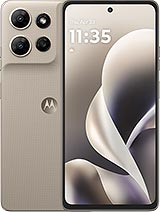

Early in release cycle
Imminent new model release
Early in cycle - good trade-in value expected
Great time to buy - new model coming soon!
- Unbeatable Price for 5G Battery Life: 5,200mAh battery with 30W charging from just $199 — genuine all-day performance at a price no major competitor matches.
- Near-Stock Android, No Bloatware: Motorola's close-to-stock Android experience keeps the phone fast, clean, and easy to use — no Samsung-style preloaded apps.
- Rugged Durability at the Budget Tier: The G Power (2026) brings IP68+IP69 water resistance and MIL-STD-810H military-grade certification — durability specs that often cost $200+ more elsewhere.
- Headphone Jack & microSD Slot: Both models retain a 3.5mm headphone jack and microSD expansion — practical features that budget phones should never lose.
- Pure Android: Simplicity and efficiency with a clean, uncluttered interface.
- AI-Driven Innovation: Advanced computational photography and real-time translation.
- Smart Power: Adaptive battery technology for smarter, longer use.
| Motorola Moto G | Google Pixel | |
|---|---|---|
| Price | ||
| Starting Price | ★ $79 | $799 |
| Buy Timing | ||
| Released | Dec 11, 2025 | Aug 28, 2025 |
| Cycle | Good | Bad |
| Deals | Neutral | Good |
| Key Specs | ||
| Weight | ★ 202 g | 204 g |
| OS Updates | 3 yrs | ★ 7 yrs |
| Fast Charging | 30 W | 30 W |
Timing: When to Buy
From a timing standpoint, the Motorola Moto G is earlier in its release cycle, meaning you get more runway before the next generation arrives. The Google Pixel is further into its cycle — a new model may arrive sooner than expected.
Deals & Pricing
Current deals favor the Google Pixel, which is in an active discount window. If price is a major factor, now is a particularly good time to consider it.
Who Should Choose Each
Choose Motorola Moto G if...
The Moto G series is for first-time smartphone buyers, parents picking up a phone for their kids, or anyone on a tight budget who still needs a reliable 5G Android. If your priorities are battery life, a clean near-stock Android experience, and a low price tag, the Moto G delivers real value without compromising on the essentials. It's also a solid choice as a secondary or backup phone.
Choose Google Pixel if...
The Google Pixel 10 is for the everyday user who wants a genuinely smart, effortless smartphone experience without paying flagship prices. It is ideal for people who want excellent photos with zero editing, guaranteed fast software updates directly from Google, and AI features that actually improve their daily life — from call screening to live translation. If you love clean Android and appreciate a phone that simply works brilliantly, the Pixel is for you.
Our Take
Both series are evenly matched on timing right now. Your decision should come down to ecosystem preference, software update commitments, and which feature set matches your daily habits.
Not sure how we calculate these ratings? Read our methodology →