POCO X Series vs Samsung Galaxy Z
Updated: May 17, 2026Comparing the Samsung Galaxy Z to the POCO X Series is fundamentally a form-factor question. Foldables carry a steep price premium over even the best traditional flagships — this comparison only makes sense if you are genuinely drawn to the large folding-screen experience, not just looking for a better phone.
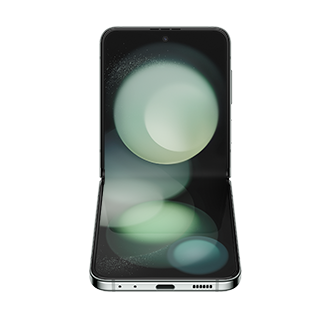
Current model just released
Imminent new model release
Early in cycle - good trade-in value expected
Great time to buy - new model coming soon!
- Powerful Mid-Range Performance: Equipped with strong Dimensity or Snapdragon processors, ensuring smooth performance for daily tasks and gaming.
- Vibrant and Fluid Displays: Large, high refresh rate AMOLED displays provide an excellent visual experience for content consumption and interaction.
- Versatile Camera Setup: Capable multi-camera systems, often with OIS, deliver good photo and video quality in various conditions.
- Long Battery Life: Generous battery capacities with fast charging support to keep you connected throughout the day.
- Aggressive Pricing: Offers a compelling set of features and performance that often punch above their price segment.
- Next-Gen Design: Flip 7's sleekness and Fold 7's expansive display redefine smartphone form.
- Style & Productivity: Flip 7 for elegance, Fold 7 for multitasking prowess.
- Dynamic Flexibility: Embrace versatile mobile experiences with innovative folding tech.
| POCO X Series | Samsung Galaxy Z | |
|---|---|---|
| Price | ||
| Starting Price | ★ $299 | $1,599 |
| Buy Timing | ||
| Released | Mar 17, 2026 | Jul 25, 2025 |
| Cycle | Good | Bad |
| Deals | Neutral | Good |
| Key Specs | ||
| Weight | ★ 201 g | 215 g |
| OS Updates | 4 yrs | ★ 7 yrs |
| Fast Charging | ★ 100 W | 25 W |
Timing: When to Buy
From a timing standpoint, the POCO X Series is earlier in its release cycle, meaning you get more runway before the next generation arrives. The Samsung Galaxy Z is further into its cycle — a new model may arrive sooner than expected.
Deals & Pricing
Current deals favor the Samsung Galaxy Z, which is in an active discount window. If price is a major factor, now is a particularly good time to consider it.
Who Should Choose Each
Choose POCO X Series if...
The Poco X Series is for the savvy user who prioritizes performance and display quality above all else. It's the ideal choice for mobile gamers, content streamers, and anyone who wants a phone that feels incredibly fast and responsive without paying a flagship price. If you want the most power-per-dollar and can accept a camera that's good but not class-leading, this is the series for you.
Choose Samsung Galaxy Z if...
The Samsung Galaxy Z series is for users who want to genuinely reimagine what a smartphone can be. The Z Flip7 appeals to style-conscious users who want a compact, pocket-friendly phone that turns heads, while the Z Fold7 is built for productivity powerhouses who want a tablet in their pocket with S Pen support and Samsung DeX. Both are for early adopters who are comfortable with premium pricing and want to be at the leading edge of mobile technology.
Our Take
Both series are evenly matched on timing right now. Your decision should come down to ecosystem preference, software update commitments, and which feature set matches your daily habits.
Not sure how we calculate these ratings? Read our methodology →