POCO F Series vs Google Pixel Fold
Updated: May 17, 2026Comparing the Google Pixel Fold to the POCO F Series is fundamentally a form-factor question. Foldables carry a steep price premium over even the best traditional flagships — this comparison only makes sense if you are genuinely drawn to the large folding-screen experience, not just looking for a better phone.

Imminent new model release
Reaching maturity, early rumors about next model coming out
Great time to buy - new model coming soon!
No upcoming deals in the radar 😑
- Flagship Performance: Equipped with powerful Snapdragon 8 Elite (Pro) and Snapdragon 8 Elite Gen 5 (Ultra) processors for extreme speed and efficiency.
- Immersive Gaming Experience: High refresh rate OLED displays, Bose-tuned audio, and robust cooling systems designed for serious gamers.
- Massive Battery with Fast Charging: Industry-leading 7,100mAh (Pro) and 7,650mAh (Ultra) batteries with 100W wired charging, ensuring all-day power.
- Premium Build Quality: Aerospace-grade aluminum frames with IP68 water and dust resistance for enhanced durability.
- Value for Money: Delivers an exceptional high-end smartphone experience at a significantly more accessible price point than competitors.
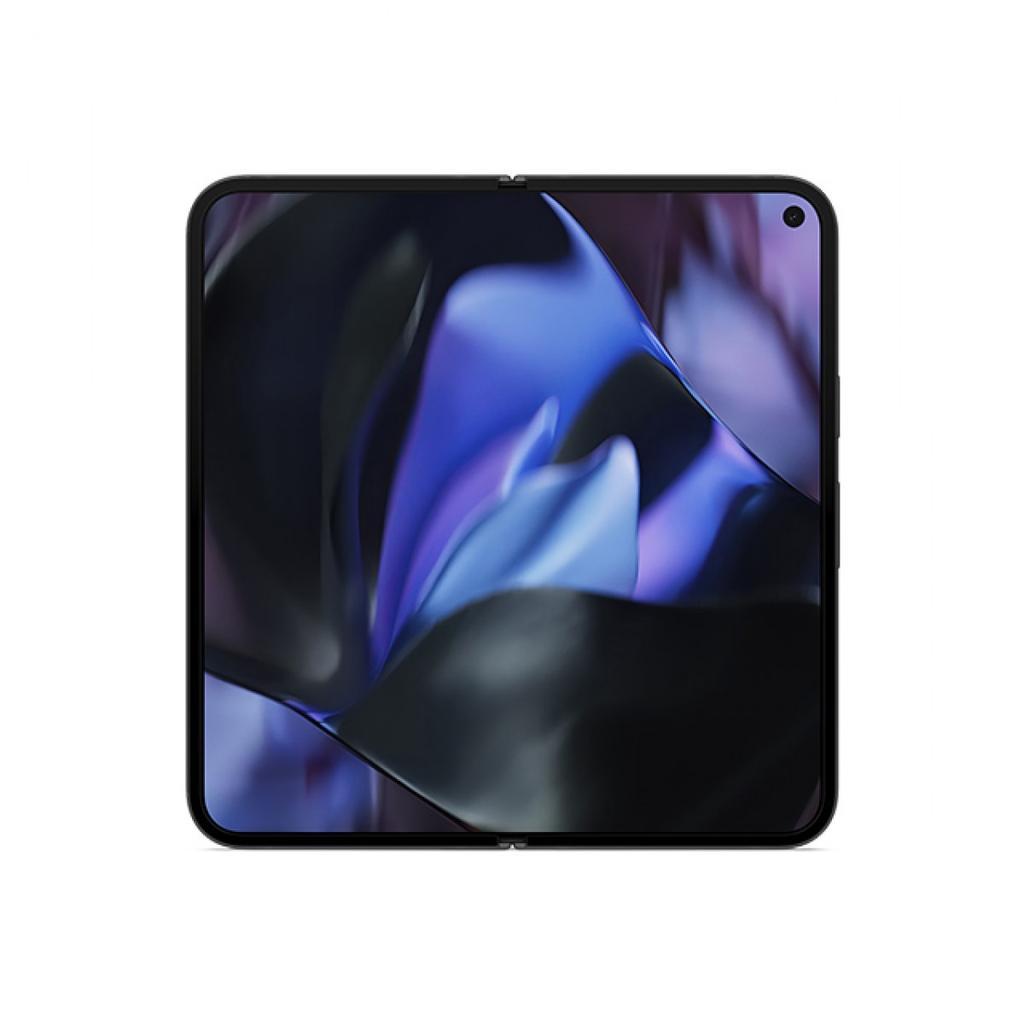
- Foldable Innovation: Seamlessly transform from phone to tablet with Google's refined foldable technology.
- AI-Powered Experience: Enhanced AI features optimized for the foldable form factor and larger display.
- Premium Performance: Flagship Tensor processing with the versatility of a foldable design.
| POCO F Series | Google Pixel Fold | |
|---|---|---|
| Price | ||
| Starting Price | ★ $679 | $1,799 |
| Buy Timing | ||
| Released | Nov 26, 2025 | Oct 9, 2025 |
| Cycle | Bad | Neutral |
| Deals | Good | Neutral |
| Key Specs | ||
| Weight | ★ 219 g | 258 g |
| OS Updates | 4 yrs | ★ 7 yrs |
| Fast Charging | ★ 100 W | 30 W |
Timing: When to Buy
A new Google Pixel Fold model has been announced, which changes the calculus here. If you are leaning toward the Google Pixel Fold, you may be better off waiting for the new generation or hunting for a clearance deal on the current one. The POCO F Series has no imminent successor, making it the safer immediate buy.
Deals & Pricing
Current deals favor the POCO F Series, which is in an active discount window. If price is a major factor, now is a particularly good time to pull the trigger on it.
Who Should Choose Each
Choose POCO F Series if...
The Poco F Series is for the power user and avid mobile gamer who craves top-tier performance without the flagship price tag. It's for the person who knows what a Snapdragon 8 Gen series chip means and prioritizes frame rates and loading times over having the absolute best camera system. If you want a phone that feels incredibly fast and can handle anything you throw at it, the F series is your best bet.
Choose Google Pixel Fold if...
The Google Pixel Fold is for the tech-forward professional who wants a single device that replaces both their phone and tablet. It is perfect for users already deep in Google's ecosystem — Gmail, Drive, Docs, Meet — who want the productivity of a larger screen in their pocket. If you value clean Android software, the best-in-class Pixel camera system, and 7 years of guaranteed updates in a foldable form factor, the Pixel Fold is the most thoughtfully designed Google device ever made.
Our Take
On pure timing alone, the POCO F Series is the stronger buy right now. That said, the right choice ultimately depends on your ecosystem, budget, and how you use your phone day-to-day.
Not sure how we calculate these ratings? Read our methodology →