Google Pixel Fold vs Xiaomi Redmi Note
Updated: July 9, 2026Comparing the Google Pixel Fold to the Xiaomi Redmi Note is fundamentally a form-factor question. Foldables carry a steep price premium over even the best traditional flagships — this comparison only makes sense if you are genuinely drawn to the large folding-screen experience, not just looking for a better phone.
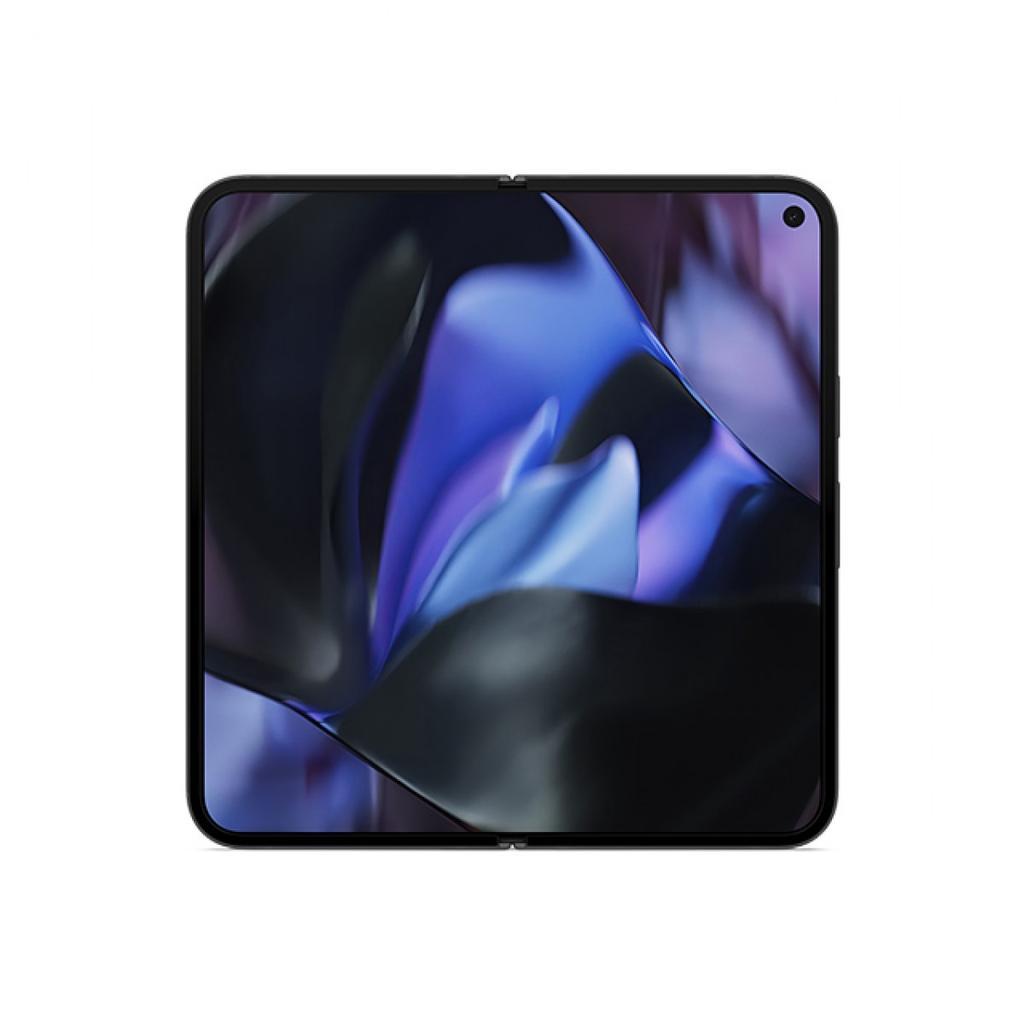

Reaching maturity, early rumors about next model coming out
Reaching maturity, early rumors about next model coming out
Potential discounts around Amazon Prime Day
Potential discounts during Amazon Prime Day.
- Foldable Innovation: Seamlessly transform from phone to tablet with Google's refined foldable technology.
- AI-Powered Experience: Enhanced AI features optimized for the foldable form factor and larger display.
- Premium Performance: Flagship Tensor processing with the versatility of a foldable design.
- Stunning Displays: Vibrant AMOLED displays with high refresh rates for smooth scrolling and immersive viewing.
- High-Resolution Cameras: Equipped with advanced multi-camera setups, often including high-megapixel main sensors for detailed photos.
- Powerful Performance: Efficient processors ensure smooth multitasking and gaming, handling demanding apps with ease.
- Long-Lasting Battery: Large battery capacities coupled with fast charging technology keep you powered throughout the day.
- Exceptional Value: Offers premium features and performance typically found in more expensive phones, making them highly competitive.
| Google Pixel Fold | Xiaomi Redmi Note | |
|---|---|---|
| Price | ||
| Starting Price | $1,799 | ★ $399 |
| Buy Timing | ||
| Released | Oct 9, 2025 | Dec 18, 2025 |
| Cycle | Neutral | Neutral |
| Deals | Good | Good |
| Key Specs | ||
| Weight | 258 g | ★ 210 g |
| OS Updates | ★ 7 yrs | 4 yrs |
| Fast Charging | 30 W | ★ 100 W |
Timing: When to Buy
A new Google Pixel Fold model has been announced, which makes this an unusual moment to choose between the two. Buying the current Google Pixel Fold right now means accepting soon-to-be-outdated hardware, so unless you find a significant deal, the Xiaomi Redmi Note is the safer purchase this month.
Deals & Pricing
Pricing is favorable for both series at the moment, so deal-hunters have options. Compare current prices before deciding — the gap may be smaller than you expect.
Who Should Choose Each
Choose Google Pixel Fold if...
The Google Pixel Fold is for the tech-forward professional who wants a single device that replaces both their phone and tablet. It is perfect for users already deep in Google's ecosystem — Gmail, Drive, Docs, Meet — who want the productivity of a larger screen in their pocket. If you value clean Android software, the best-in-class Pixel camera system, and 7 years of guaranteed updates in a foldable form factor, the Pixel Fold is the most thoughtfully designed Google device ever made.
Choose Xiaomi Redmi Note if...
The Redmi Note series is for the budget-conscious buyer who refuses to compromise on features. It's the perfect choice for users who want a large, beautiful display, a versatile camera that's great for social media, and a battery that lasts all day and then some. If you want the most features for your money and love tweaking your phone's settings, the Redmi Note is hard to beat.
Our Take
On pure timing alone, the Xiaomi Redmi Note is the stronger buy right now. That said, the right choice ultimately depends on your ecosystem, budget, and how you use your phone day-to-day.
Not sure how we calculate these ratings? Read our methodology →