Google Pixel A vs Xiaomi Flagship
Updated: July 9, 2026Comparing the Xiaomi Flagship to the Google Pixel A means crossing market segments: one is a premium buy, the other a value-focused option. The question is less about which is "better" and more about whether the flagship experience is worth the extra spend for your actual use case.
Early in release cycle
Early in release cycle
Potential discounts around Amazon Prime Day
Potential discounts during Amazon Prime Day.
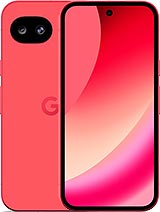
- Flagship Power, Affordable Price: Powered by Google's Tensor G4 chip with 8GB RAM for fast, smooth performance every day.
- Vivid, Smooth Display: 6.3-inch OLED display with 120Hz refresh rate and up to 3,000 nits peak brightness for stunning visuals indoors and out.
- AI-Enhanced Photography: 48MP main and 13MP ultrawide cameras deliver incredible photos, backed by Google's famous AI photo magic.
- All-Day, Ultra-Long Battery: 5,100mAh battery offering over 30 hours of usage and up to 100 hours with Extreme Battery Saver mode.
- Built Tough and Secure: IP68 water and dust resistance, Gorilla Glass, and 7 years of software updates to keep you protected.
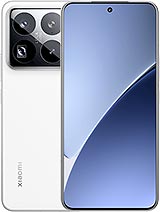
- Leica Co-Engineered Cameras: Professional-grade photography with advanced optical lenses and AI-powered imaging, capturing unparalleled detail and color.
- Unrivaled Performance: Equipped with the latest Snapdragon flagship processors for seamless multitasking, intensive gaming, and AI computations.
- Immersive Visuals: Stunning AMOLED displays with high refresh rates and exceptional brightness, offering an incredibly vibrant and smooth viewing experience.
| Google Pixel A | Xiaomi Flagship | |
|---|---|---|
| Price | ||
| Starting Price | ★ $499 | $999 |
| Buy Timing | ||
| Released | Mar 5, 2026 | Feb 28, 2026 |
| Cycle | Good | Good |
| Deals | Good | Good |
| Key Specs | ||
| Weight | ★ 183 g | 191 g |
| OS Updates | ★ 7 yrs | 4 yrs |
| Fast Charging | 30 W | ★ 100 W |
Timing: When to Buy
Both series are in a good part of their release cycles right now. Neither is close to being superseded, so you can buy with confidence on timing grounds — your decision can focus purely on features and price.
Deals & Pricing
Pricing is favorable for both series at the moment, so deal-hunters have options. Compare current prices before deciding — the gap may be smaller than you expect.
Who Should Choose Each
Choose Google Pixel A if...
The Google Pixel A series is for the value-seeking user who wants a genuinely great Android experience without paying flagship prices. It is the ideal choice for students, everyday users, and anyone switching from an older Android or iPhone who wants a clean, intuitive phone with an outstanding camera and a massive battery. If you want the full Google experience — including AI tools, guaranteed updates, and exceptional computational photography — but cannot justify Pro pricing, the Pixel A is your answer.
Choose Xiaomi Flagship if...
The Xiaomi Flagship series is for the camera-obsessed tech enthusiast who wants professional-grade Leica optics and top Snapdragon performance at a price that often undercuts Samsung and Apple equivalents. It is perfect for photography lovers, videographers, and power users who want the absolute best hardware without being locked into a specific ecosystem. If you want a genuine alternative to the Galaxy S Ultra that matches or surpasses it on camera and charging, Xiaomi's flagship is your answer.
Our Take
Both series are evenly matched on timing right now. Your decision should come down to ecosystem preference, software update commitments, and which feature set matches your daily habits.
Not sure how we calculate these ratings? Read our methodology →