Oppo Find N vs Google Pixel A
Updated: May 17, 2026Comparing the Oppo Find N to the Google Pixel A is fundamentally a form-factor question. Foldables carry a steep price premium over even the best traditional flagships — this comparison only makes sense if you are genuinely drawn to the large folding-screen experience, not just looking for a better phone.
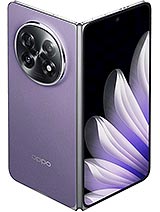
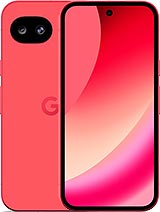
Current model just released
Early in release cycle
Early in cycle - good trade-in value expected
Early in cycle - good trade-in value expected
- Zero-Feel Crease Display: Oppo's Auto-Smoothing Flex Glass and advanced hinge technology deliver the least-noticeable screen crease of any foldable.
- 200MP Quad Camera: A 200MP main sensor with 50MP ultrawide and 50MP telephoto — the most capable camera system in the foldable category.
- PC-Level Productivity: Enhanced multitasking features and a large 8.12-inch inner screen powered by Snapdragon 8 Elite Gen 5 for productivity on the go.
- Flagship Power, Affordable Price: Powered by Google's Tensor G4 chip with 8GB RAM for fast, smooth performance every day.
- Vivid, Smooth Display: 6.3-inch OLED display with 120Hz refresh rate and up to 3,000 nits peak brightness for stunning visuals indoors and out.
- AI-Enhanced Photography: 48MP main and 13MP ultrawide cameras deliver incredible photos, backed by Google's famous AI photo magic.
- All-Day, Ultra-Long Battery: 5,100mAh battery offering over 30 hours of usage and up to 100 hours with Extreme Battery Saver mode.
- Built Tough and Secure: IP68 water and dust resistance, Gorilla Glass, and 7 years of software updates to keep you protected.
| Oppo Find N | Google Pixel A | |
|---|---|---|
| Price | ||
| Starting Price | $1,799 | ★ $499 |
| Buy Timing | ||
| Released | Mar 20, 2026 | Mar 5, 2026 |
| Cycle | Good | Good |
| Deals | Neutral | Neutral |
| Key Specs | ||
| Weight | 225 g | ★ 183 g |
| OS Updates | 5 yrs | ★ 7 yrs |
| Fast Charging | ★ 80 W | 30 W |
Timing: When to Buy
Both series are in a good part of their release cycles right now. Neither is close to being superseded, so you can buy with confidence on timing grounds — your decision can focus purely on features and price.
Deals & Pricing
Neither series is in a notable deals window right now. Prices are close to standard retail. If you are flexible on timing, waiting for a seasonal sale event (Black Friday, Prime Day) could net meaningful savings.
Who Should Choose Each
Choose Oppo Find N if...
The Oppo Find N series is for the tech enthusiast who wants to be on the cutting edge and desires a foldable phone that solves the common pain points of the category. If you've been hesitant about foldables due to their thickness, prominent screen crease, or battery life, the Find N6 is designed to win you over. It's for the user who wants a tablet-sized screen in their pocket without the usual bulk.
Choose Google Pixel A if...
The Google Pixel A series is for the value-seeking user who wants a genuinely great Android experience without paying flagship prices. It is the ideal choice for students, everyday users, and anyone switching from an older Android or iPhone who wants a clean, intuitive phone with an outstanding camera and a massive battery. If you want the full Google experience — including AI tools, guaranteed updates, and exceptional computational photography — but cannot justify Pro pricing, the Pixel A is your answer.
Our Take
Both series are evenly matched on timing right now. Your decision should come down to ecosystem preference, software update commitments, and which feature set matches your daily habits.
Not sure how we calculate these ratings? Read our methodology →